Firefighter Cancer Facts
-
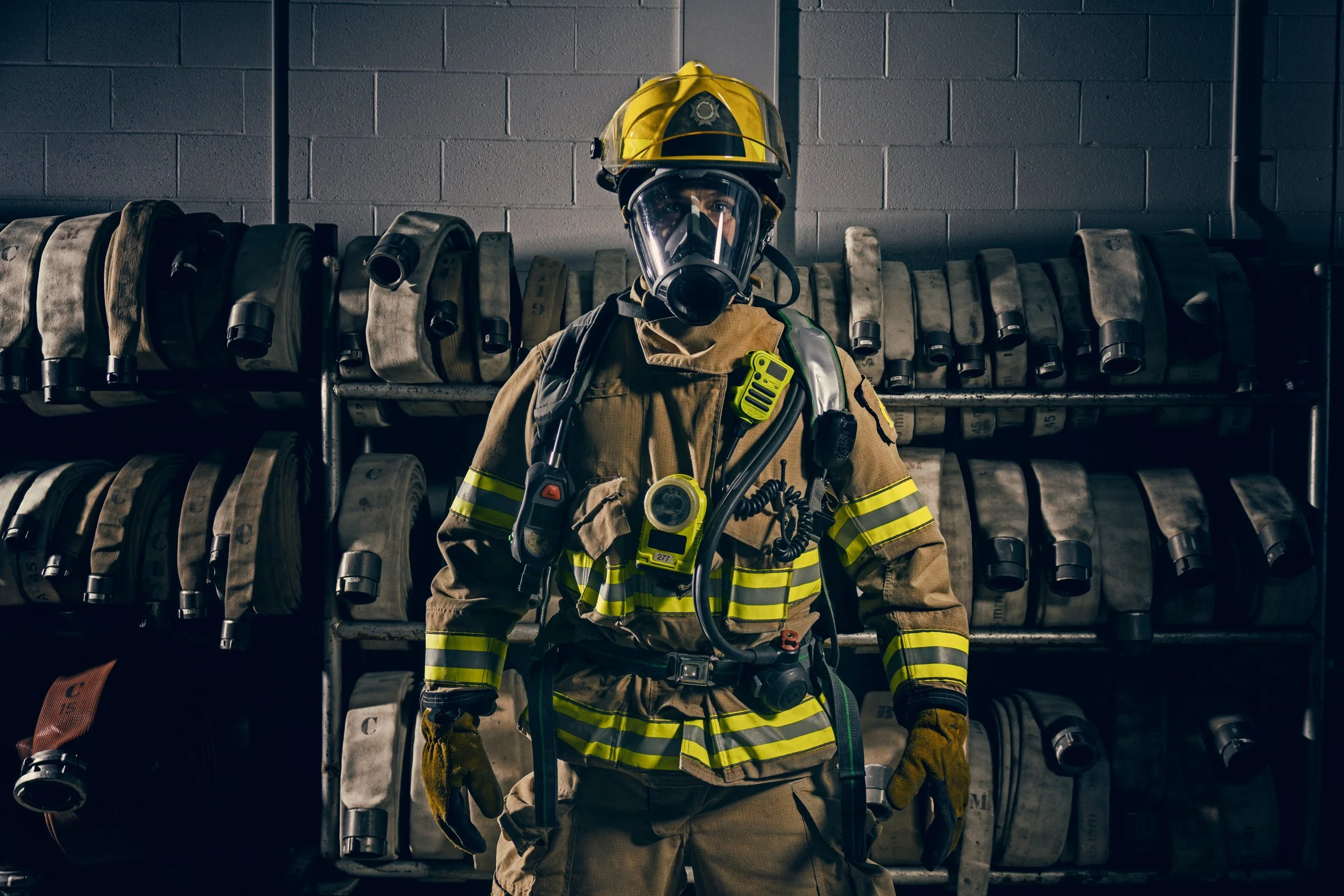
Firefighter cancer refers to cancers that are linked to the increased occupational exposure firefighters face while performing their duties. Firefighters are regularly exposed to toxic smoke, hazardous chemicals, and carcinogens released during fires, which can significantly raise their risk of developing certain types of cancer compared to the general population.
-
During fires, modern building materials, furniture, vehicles, and industrial products release dangerous chemicals when burned. Even with protective gear, firefighters can be exposed through:
Inhalation of toxic smoke and gases
Skin absorption of carcinogens
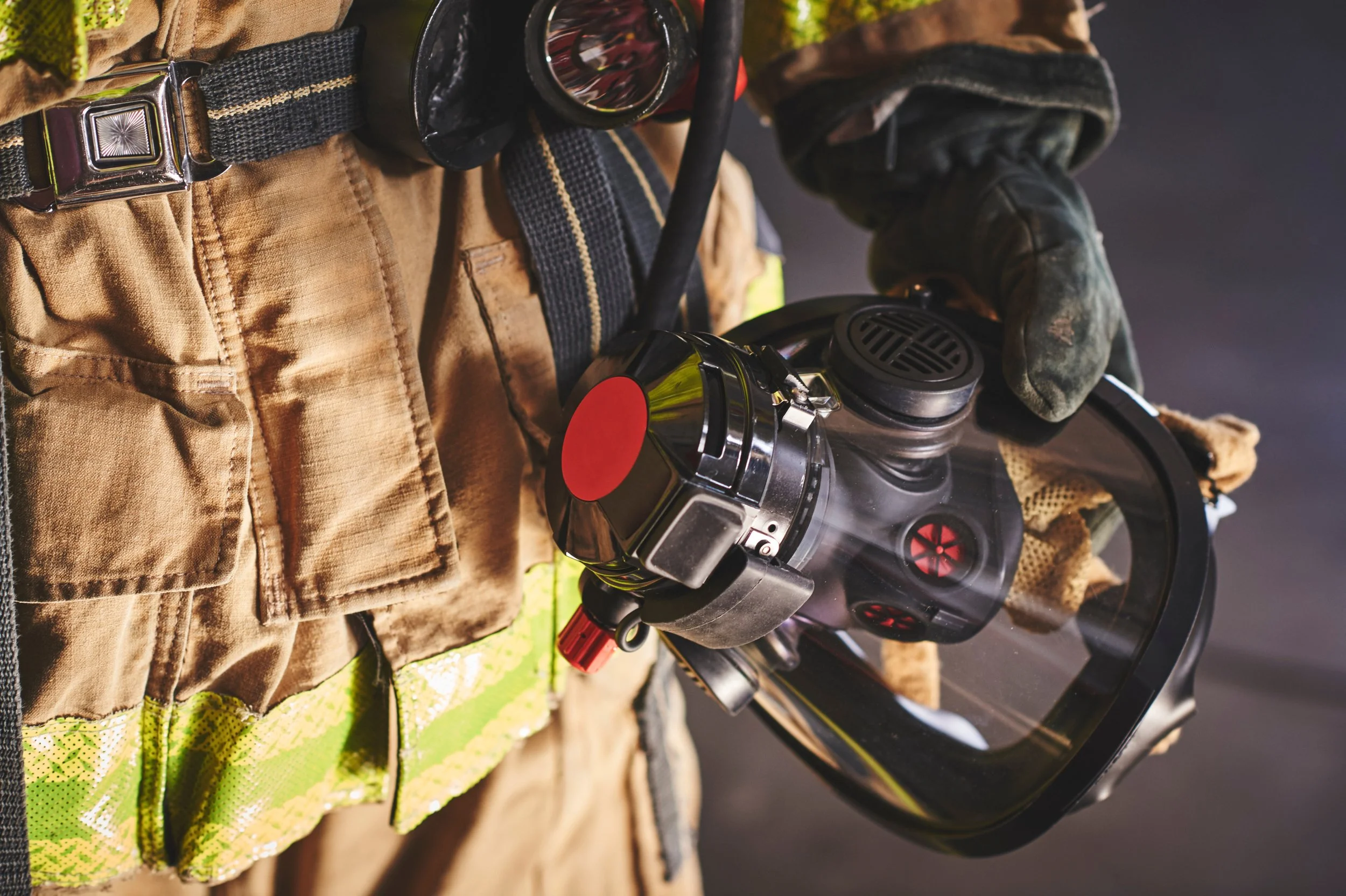
Contaminated turnout gear and equipment
Diesel exhaust exposure
Long-term cumulative exposure over a career
These exposures may occur at structure fires, vehicle fires, training burns, overhaul operations, and even back at the fire station if proper decontamination practices are not followed.
-
Research has shown increased rates of several cancers among firefighters, including:
Lung cancer
Prostate cancer
Testicular cancer
Multiple myeloma
Non-Hodgkin lymphoma
Leukemia
Skin cancers (including melanoma)
Brain cancer
Kidney and bladder cancer
-
Early detection saves lives. Understanding occupational risks helps firefighters:
Reduce exposure through safer practices
Advocate for regular screening and monitoring
Recognize symptoms sooner
Seek medical support earlier
The Hawkes Initative is committed to providing education, awareness, and resources that help firefighters protect themselves and their families.
-
Cancer is the leading cause of Firefighter deaths
Cancer is now the leading cause of line-of-duty deaths among firefighters
In Canada, approximately 94% of line-of-duty deaths among career firefighters have been linked to occupational cancer
Workers’ compensation data shows cancer accounted for nearly 85% of firefighter fatality claims between 2007-2021.
Increased Cancer risk compared to the general population
Firefighters may have about a 9% higher risk of cancer diagnosis and a 14% higher risk of cancer-related death compared to the general population
Ontario research shows firefighters have approximately a 23% higher risk of developing cancer compared to other workers
Some studies suggest firefighter may be nearly twice as likely to develop cancer depending on exposure history and career duration
-
Research shows major exposure occurs during:
Overhaul operations
Gear Handling
Station Contamination
Dirty Turnout gear
Skin absorption is a major exposure pathway
Neck
Jawline
Groin
Armpits
-
Today’s building materials release carcinogens such as
Benzene
Formaldehyde
Polycyclic Aromatic Hydrocarbons (PAHs)
PFAS and flame retardants
Synthetic materials dramatically increase toxic exposure compared to legacy fires.
Prevention and Safety
-
Rise gear with low-pressure water (before getting back in the rig)
Scrub high-contact areas:
Helmet
Gloves
Jacket Cuffs
SCBA Straps
Keep SCBA on during overhaul whenever possible
Bag dirty gear (don’t toss it loose in the cab)
Avoid eating, drinking, or using tobacco before cleaning up
-
Turnout gear is a major exposure source
Wash gear after every fire
Use extractors designed for bunker gear
Follow NFPA cleaning guidelines ( no household washers)
Never take gear home
Clean hood frequently (they’re one of the dirtiest items)
-
Cancer risk isn’t just from fires- its from cross-contamination
No dirty gear in living quarters
Regularly clean:
Apparatus cabs
Seats
Door handles
Separate “clean” and “dirty” zones in that station
Wash hands before meals- every time
-
Your body matters as much as the gear
Wipe down exposed skin immediately with baby wipes or firefighter decon wipes:
Neck
Jaw
Throat
Face
Hands
Shower within one hour of the incident if possible
Wash hair thoroughly- soot sticks there
Change into clean clothes ASAP
-
Early detection is one of the most powerful tools in reducing cancer-related deaths. When cancer is identified at an early stage:
Treatment is often more effective
Survival rates are significantly higher
Less aggressive treatment may be required
Recovery times can be shorter
Because firefighters face increased exposure to carcinogens throughout their careers, proactive screening and regular health monitoring are essential.
-
Firefighters are exposed to toxic substances through:
Smoke and combustion byproducts
Synthetic building materials
Diesel exhaust
Contaminated turnout gear and equipment
These exposures may increase risk for certain cancers, which means firefighters may benefit from more consistent and proactive screening compared to the general population.
-
While screening should always be individualized, common screenings may include:
Annual physical and occupational health evaluation
Comprehensive medical history review
Blood work and baseline monitoring
Skin examination
Prostate Cancer Screening
PSA blood testing (age and risk dependent)
Important due to increased incidence among firefighters
Colon Cancer Screening
Colonoscopy or stool-based testing
Often recommended beginning at age 45 or earlier depending on risk factors
Testicular Cancer Awareness
Self-exams and awareness of changes
Early detection leads to very high survival rates
Skin Cancer Screening
Regular dermatology check
Monitoring of moles or skin changes due to exposure risk
Lung Health Monitoring
discuss imaging or lung screening if there is a history of smoke exposure or additional risk factors